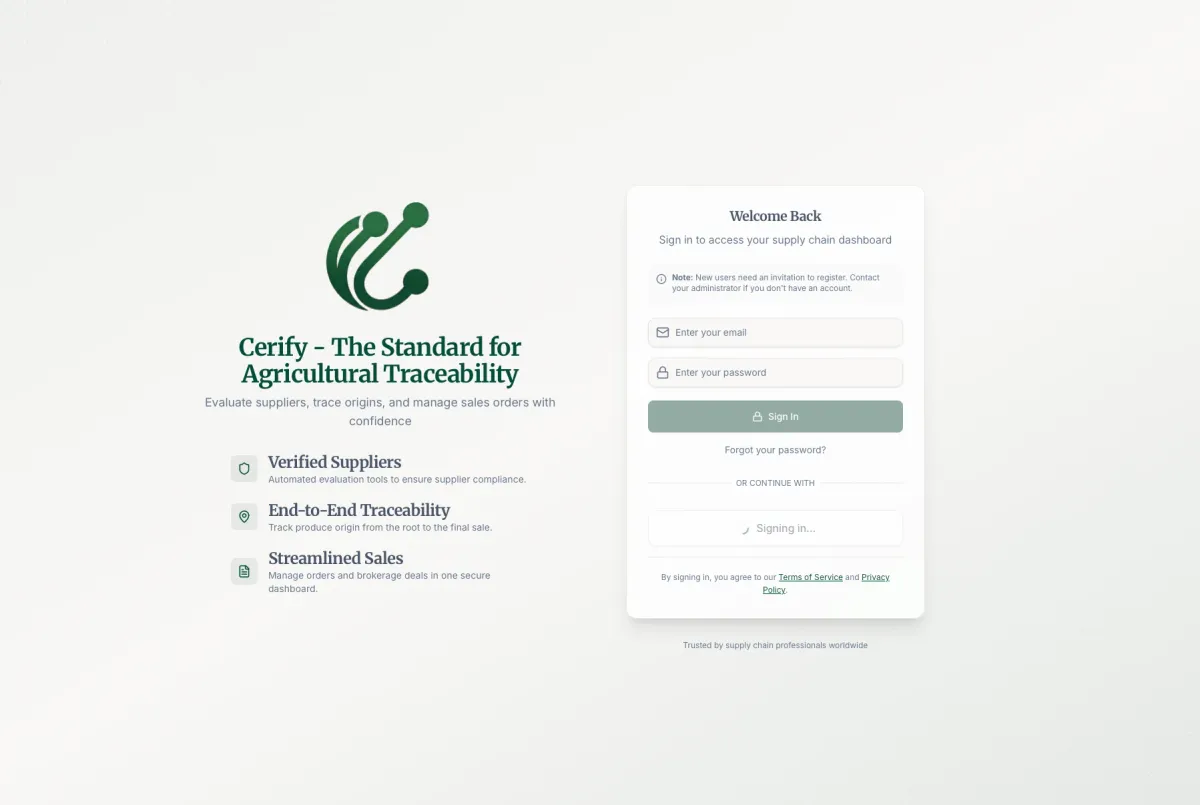
In traditional operations, tracking order progress (QC) runs into a major obstacle: manual work. Relying on paper records not only lowers productivity but also risks breaking the flow of information between the field and management.
3 classic bottlenecks of traditional QC
1. Resources wasted on paperwork
Field staff spend hours every day taking notes by hand, then re-entering the data into a computer – a duplicated process that easily leads to errors and mix-ups.
2. Slow history lookups
When a complaint about a shipment comes in, tracing the cause means digging manually through piles of old records, wasting time and hurting credibility with partners.
3. Information lag
Managers have to wait for consolidated reports, making timely intervention impossible.
The digital solution: Leaner operations & stronger control
Digital technology on a mobile platform, backed by a central management system, brings a significant change to how orders are monitored:
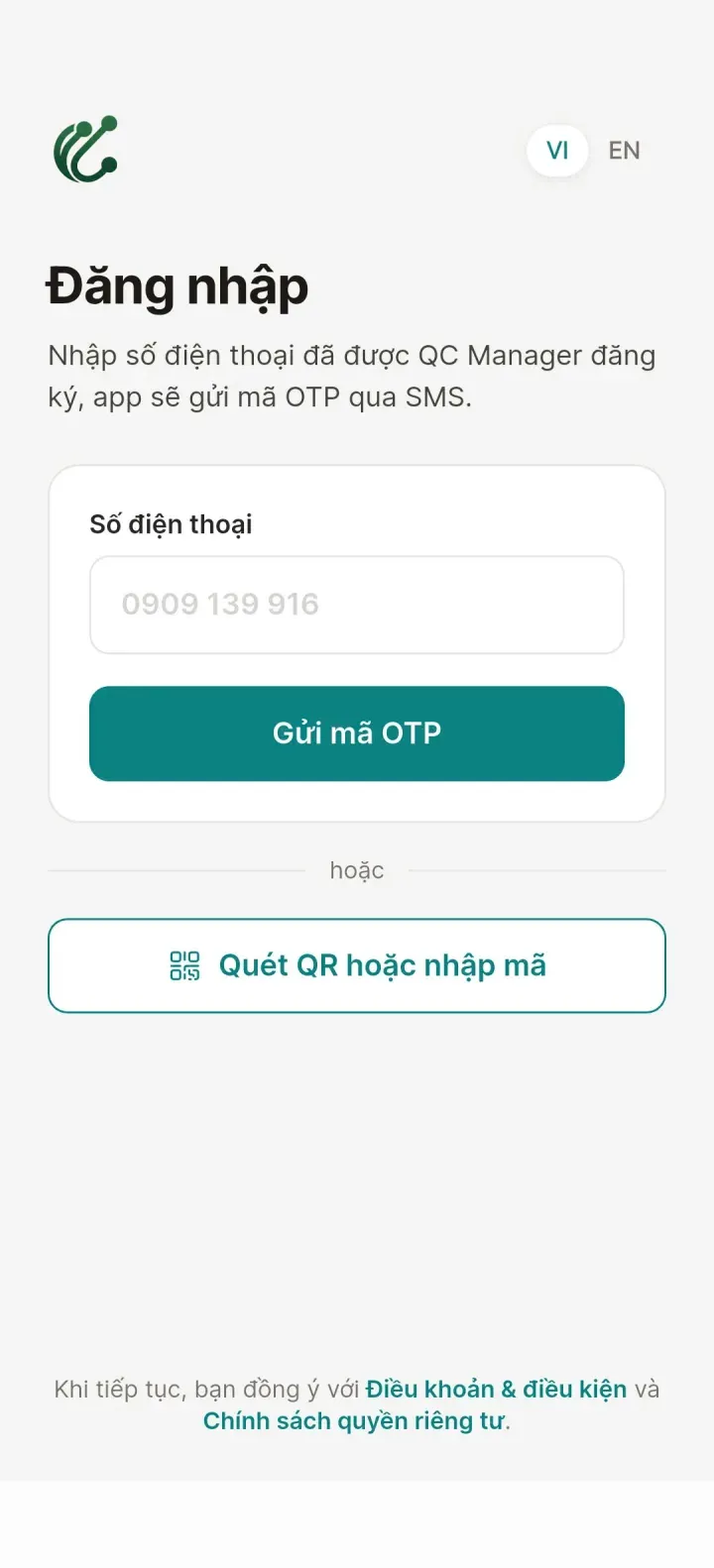
1. 100% on a mobile app
Field staff monitor and update, assess against checklists, record data and take verification photos right on site. The intermediate data-entry step is eliminated entirely.
2. Instant alerts
As soon as an issue is detected, the system automatically notifies the relevant teams so they can contain it and coordinate a response right away.
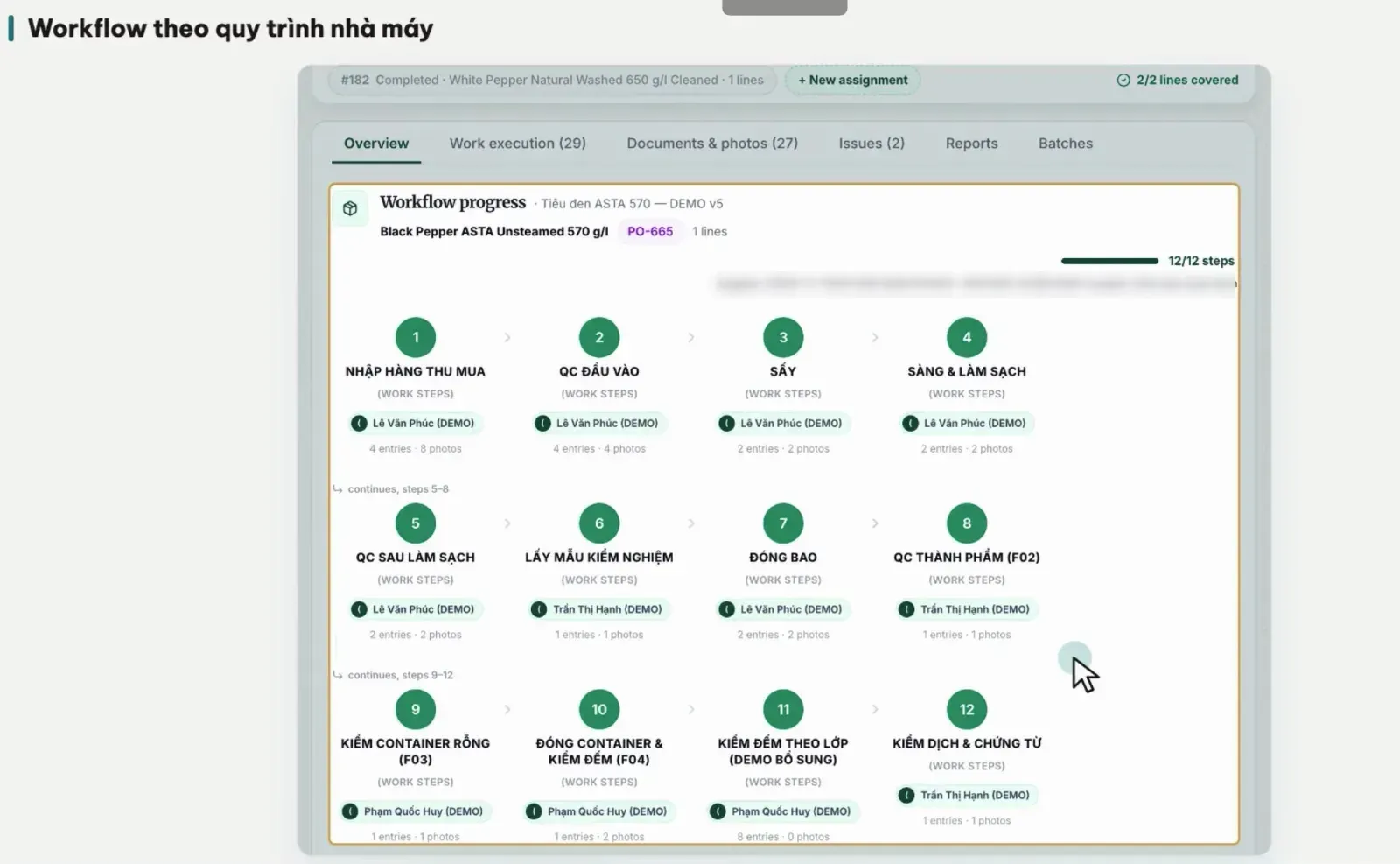
3. 24/7 visual monitoring
A central dashboard continuously updates field progress and the issues that come up during the day, so managers can make decisions proactively without waiting for consolidated reports.
4. Order history in seconds
The full field monitoring history, on-site photos and the people responsible are all stored in one place. Simply search by lot number to export the complete, accurate record.
Digitizing QC goes beyond cutting printing costs or dropping paper records. It is a shift that standardizes processes, reduces human error and speeds up response.
Perspectives from QC

Chí Toàn
QC
“I went from working on gut feeling to learning how to be careful and meticulous.”
01 · Work
Whether it’s a new order or a familiar one, there’s always order information to rely on, plus support and guidance from the team, so it’s easy to adapt and get the job done.
02 · Learning
I get to work with many kinds of products (agricultural produce, seafood, …) and exchange a lot of knowledge and experience.
03 · Being heard
Feedback, ideas and difficulties, both work-related and personal, are acknowledged, acted on and supported.
04 · Growing my skills
I went from working on gut feeling to learning how to be careful and meticulous, learning the dos and don’ts of the job, and getting better at handling situations and improvising, which helps me both at work and in life.
05 · Flexible hours
I can plan my own time without being tied to an office or a factory, while building self-discipline.

Hoàng Trân
QC collaborator
“Collaborators get enthusiastic support from the technical team.”
01 · With FarmNet
Collaborators get enthusiastic support from the technical team. The requirements on what information to track and what to report are fairly clear, which makes the work go smoothly.
02 · With the factory
In the first days at the factory, it was going through changes in key staff and management, so the collaborator was passed between several contacts. As a result, some factory staff didn’t clearly understand the collaborator’s role or what information to provide, and at times even mistook them for QC staff from other customers.
Now, Mr. Diện, the new manager, has proactively connected the collaborator with the factory’s statistics team and floor operations, which has made the work much smoother.
Suggestion: It should be agreed with processing factories that whenever the factory’s staffing changes, the factory holds a short introduction and alignment session, especially to clarify who the collaborator will work with after the staffing change.